


Better data, better decisions: Understanding CO2 reporting in Logistics

As businesses continue to place greater importance on sustainability, understanding the environmental impact of their supply chain is becoming increasingly important.

Both transport and logistics play a significant role in moving goods across the UK, and for many businesses, pallet distribution forms an essential part of their day-to-day operations. But how can companies make informed decisions about their environmental impact without access to the right information?
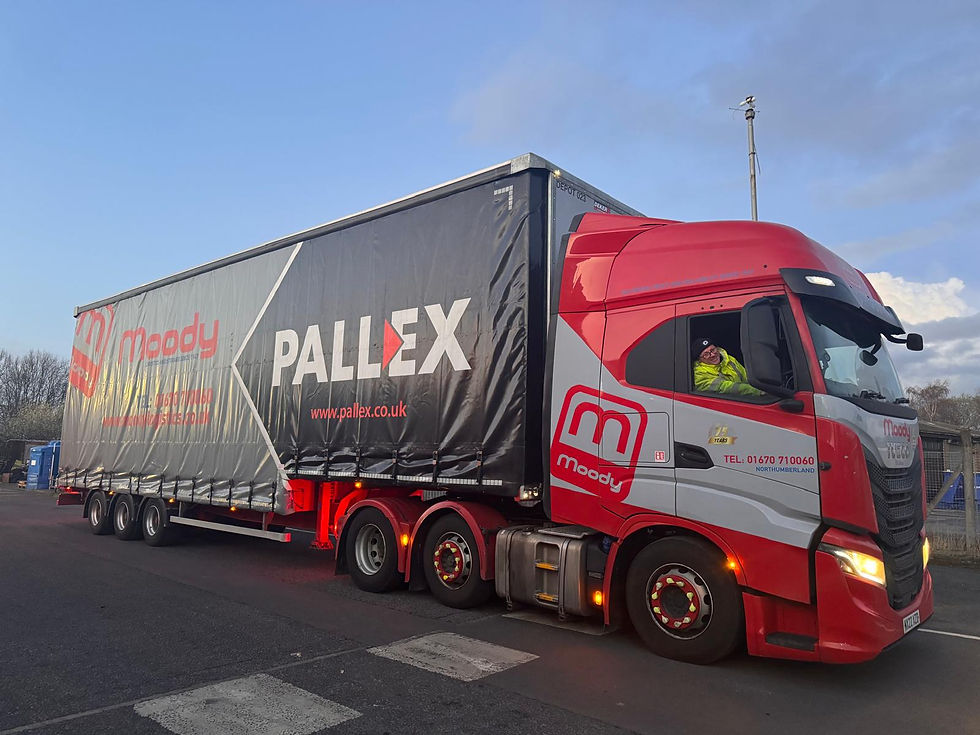
As part of the Pall-Ex pallet network, Moody Logistics customers can access CO₂ reporting through the Nexus platform, providing greater visibility of the carbon emissions associated with every stage of their pallet deliveries.
This information can help businesses better understand their transport-related carbon footprint, support environmental reporting requirements and make more informed decisions about their future logistics operations.
Why is CO₂ reporting important in logistics?
For businesses looking to improve their environmental performance, understanding their current impact is an important starting point.
As organisations work towards greater sustainability, they are increasingly being asked to provide information about the environmental impact of their operations, including the movement of goods throughout their supply chains.
Having access to freight emissions data can help businesses respond to these requests and build a clearer picture of the role logistics plays within their wider environmental footprint.
CO₂ reporting provides an opportunity to move beyond general sustainability ambitions and towards a more informed, data-led approach.
So, how as a business can you make use of this information?
1. Measure: Know your starting point
You can't improve what you can't measure. Understanding the carbon emissions associated with transporting goods is an important first step towards making informed environmental decisions.
CO₂ reporting available through the Pall-Ex network provides customers with information about the emissions linked to their freight. Rather than relying solely on general assumptions about transport emissions, businesses can access data to help them understand the environmental impact associated with their deliveries.
This provides a useful starting point for organisations looking to develop their sustainability strategies or gain greater visibility of their supply chain.
2. Understand: Turn data into insight
Collecting information is only part of the process. Understanding what that information means is equally important.
For businesses using pallet distribution services, access to CO₂ data can help build a clearer picture of transport-related emissions within their wider supply chain. This is particularly valuable for companies looking to understand the different activities that contribute to their environmental footprint.
With greater visibility, businesses are better equipped to assess their logistics operations and consider how transport fits into their wider sustainability objectives.
Ultimately, carbon reporting is about making information more accessible and meaningful, helping businesses turn data into useful insight.
3. Report: Support your sustainability reporting
Environmental reporting is becoming an increasingly important consideration for businesses across a range of industries.
Whether responding to customer enquiries, supporting internal sustainability reviews or providing information to stakeholders, organisations are facing growing expectations to understand and communicate their environmental impact.
Access to CO₂ reporting through the Pall-Ex network can help customers communicate the carbon emissions associated with their pallet deliveries, supporting a more informed approach to environmental reporting.
Having relevant information available can also make it easier for businesses to respond when their own customers request greater transparency around supply-chain emissions.
4. Improve: Make more informed decisions
Better data supports better decisions. Once businesses have a clearer understanding of their transport emissions, they are in a stronger position to review their logistics activities and consider opportunities for improvement.
Whether evaluating existing distribution arrangements, reviewing operational processes or working towards wider environmental objectives, access to emissions information can provide a valuable foundation for decision-making.
Importantly, measuring emissions does not automatically reduce them. However, understanding the data can help businesses identify where improvements may be possible and make more informed choices about their operations.
Sustainability is an ongoing process, and having greater visibility of environmental performance is an important part of that journey.
Supporting our Customers through the Pall-Ex network
As a founding depot and shareholder member of the Pall-Ex network, Moody Logistics has a long-standing commitment to providing reliable pallet distribution services to businesses across the North East and throughout the UK.
The network allows us to provide nationwide pallet distribution, connecting our customers with a network of transport providers. Alongside the practical benefits of nationwide pallet distribution, access to CO₂ reporting provides customers with additional information about the environmental impact of their freight movements.
We recognise that businesses are facing increasing expectations around sustainability and supply-chain transparency. Having access to relevant information can help our customers respond to those expectations with greater confidence.
Better visibility for better decisions
Understanding the environmental impact of logistics doesn't have to begin with major operational changes. It starts with having access to information that helps businesses understand where they stand.
By helping customers measure, understand and report on their freight emissions, CO₂ reporting provides a valuable starting point for making more informed decisions.
At Moody Logistics, we remain committed to delivering reliable pallet distribution services while helping our customers access the information they need to support their business objectives.
Want to find out more about CO₂ reporting through the Pall-Ex network?
Contact the Moody Logistics team to learn more about our pallet distribution services and the reporting information available to customers.


Comments